The financial landscape of 2026 is fundamentally different from the turbulence of the early 2020s. The “easy money” era of near-zero interest rates is history, and the subsequent high-inflation shocks have largely stabilized. However, we are now navigating a complex “higher-for-longer” interest rate environment that punishes inefficiency and rewards cash flow. As we move deeper into 2026, the markets are at a critical inflection point where the old rules of a 60/40 portfolio are being challenged by new asset correlations. The days when stocks and bonds moved in perfect opposition are gone; today, macroeconomic data releases trigger synchronized moves across all asset classes, making true diversification harder to achieve.
Investors can no longer rely blindly on a handful of mega-cap tech giants to carry their entire portfolio. While Artificial Intelligence remains a dominant theme, the hype cycle has matured into an execution cycle. The market is demanding profitability, not just promises. Consequently, the winning strategy for this year requires a sophisticated blend of defensive income generation—leveraging historically high bond yields—and targeted exposure to broadening growth sectors like industrial automation and healthcare. We are seeing a “rotation” out of pure software plays into the “pick and shovel” hardware plays that build the actual infrastructure of the future economy.
If you are asking, “Where should I put my money right now?” the answer is no longer a simple ticker symbol. It depends heavily on your timeline, your tax situation, and your psychological risk tolerance. The dispersion between the best-performing assets and the worst is widening. This guide breaks down the best investments right now, ranked by their potential role in a modern, diversified portfolio, moving from absolute safety to high-risk, high-reward speculation. We will analyze the risk-reward ratios of each category to help you build a fortress balance sheet.
1. The Safety Net: High-Yield Savings & Fixed Income
For over a decade, cash was widely considered “trash” because it earned zero interest while inflation eroded its value. In 2026, that narrative has flipped. Cash is now a legitimate asset class that pays respectable yields, offering a safe harbor while you wait for better opportunities. In a world where geopolitical tensions can cause overnight market corrections, cash serves as the ultimate “option” to buy distressed assets at a discount.
High-Yield Savings Accounts (HYSA)
With interest rates stabilizing around the 4.0% – 4.5% mark, keeping your emergency fund in a standard checking account (earning 0.01%) is a financial sin. The spread between traditional banks and online banks has never been wider. Online banks like SoFi, Ally, or Marcus operate with lower overheads and pass those savings to you in the form of higher APYs (Annual Percentage Yields). Furthermore, the utility of cash right now is “Optionality.” Having a robust cash pile earning 4.5% allows you to sleep well at night, knowing you can deploy capital instantly if the stock market corrects by 10% or 20%. This psychological benefit—the ability to act without panic—is an underrated return on investment.
- Why invest now: Guaranteed return with zero risk (up to FDIC limits). It effectively keeps pace with inflation.
- Target APY: Look for anything above 4.2% with no monthly fees.
- Best for: Emergency funds (3-6 months expenses), wedding funds, or saving for a down payment within 1-2 years.
Certificates of Deposit (CDs) and Bond Ladders
If you can lock away your cash for 6 to 12 months, CD ladders remain a powerful tool. While rates have dipped slightly from their peak, short-term CDs are still offering premium yields for those willing to sacrifice liquidity. The strategy here is to build a “ladder”—buying CDs that mature at different intervals (e.g., 3 months, 6 months, 9 months, 1 year). This ensures that a portion of your cash becomes available regularly, allowing you to reinvest at potentially higher rates or use the cash if needed.
Similarly, short-term US Treasury Bills (T-Bills) are state-tax exempt, making them superior to CDs for investors in high-tax states like California or New York. You can buy these directly via TreasuryDirect or through most brokerages. In 2026, the “risk-free rate” provided by T-Bills sets the floor for all other investment evaluations. If an investment cannot arguably beat the risk-free rate of a T-Bill, it is simply not worth the risk premium.

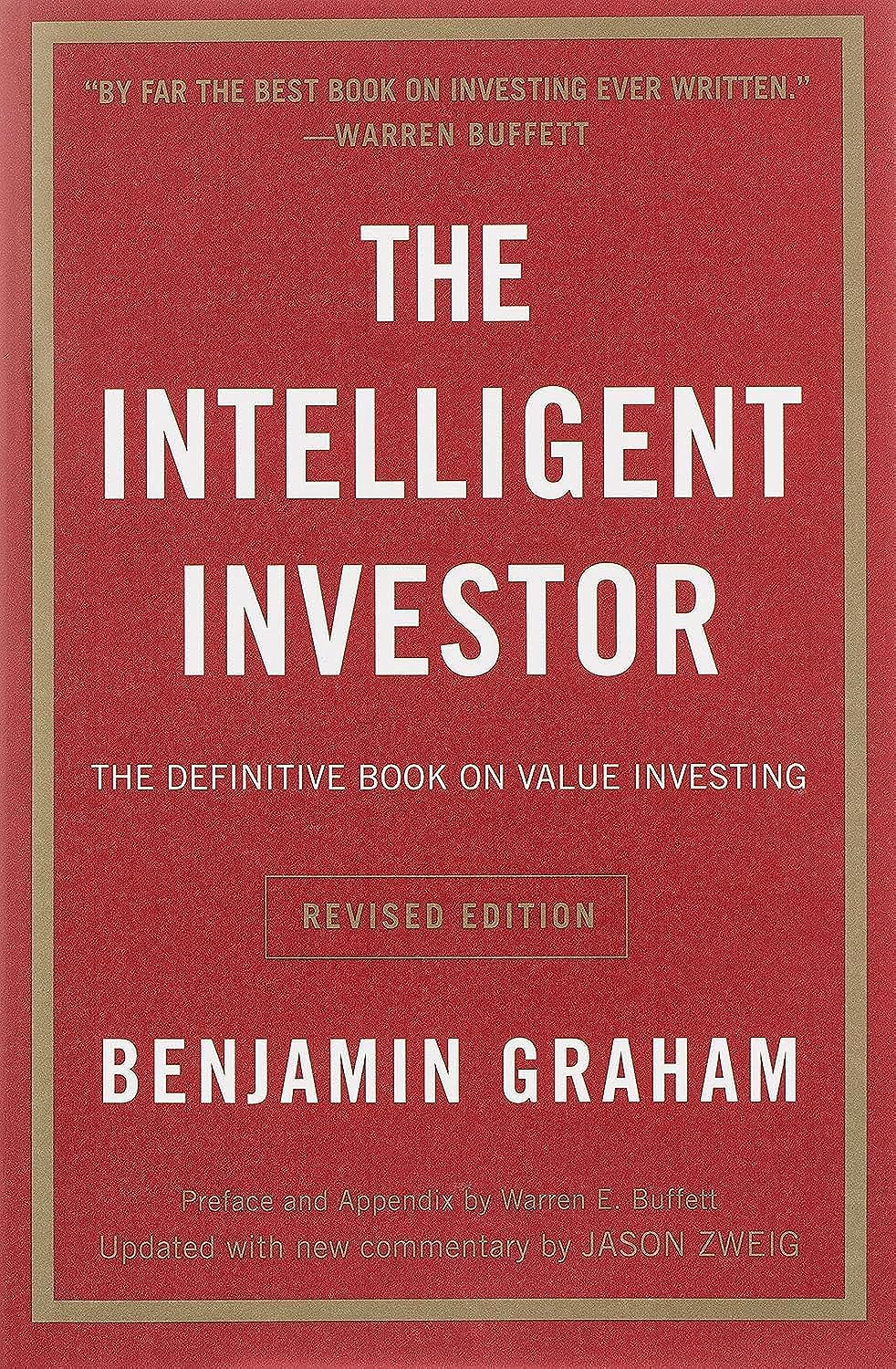
Understanding the math of investing is easy; mastering the behavior is hard. This book is essential for understanding why having a cash safety net is the key to long-term wealth.
Check Price on Amazon2. The Growth Engine: Stock Market Opportunities

The stock market in 2026 is characterized by “The Great Broadening.” For years, the S&P 500’s returns were driven almost entirely by the “Magnificent Seven” tech stocks. While these companies remain titans, their valuations have stretched to perfection. We are now seeing capital rotate into sectors that benefit from lower operating costs, domestic industrial growth, and the secondary effects of AI implementation. It is no longer enough for a company to simply mention “AI” in an earnings call; they must show how it is reducing their overhead or creating new revenue streams.
Small-Cap Industrials & Manufacturing
The “re-shoring” of American manufacturing is in full swing. Companies that build the physical infrastructure for data centers, upgrade the aging electrical grid, and manufacture HVAC systems for massive server farms are the new darlings of Wall Street. These stocks often trade at lower P/E (Price to Earnings) ratios than big tech but are seeing double-digit earnings growth due to sheer demand. This is often referred to as the “CapEx Supercycle,” where massive capital expenditure is required to upgrade the nation’s infrastructure, directly benefiting the companies that make the nuts, bolts, and steel beams.
Healthcare Innovation
The healthcare sector spent the early 2020s digesting the post-pandemic volatility. Now, it is entering a golden era of efficiency. Biotech firms utilizing AI for drug discovery are shortening development timelines significantly. Furthermore, with the global population aging, demand for medical devices and care facilities is inelastic—meaning it doesn’t drop even if the economy slows down. Look for companies with strong pipelines in gene editing and weight-loss therapeutics. These companies have “defensive growth” characteristics, meaning they can grow earnings even if the broader economy enters a recession.
Dividend Growth Stocks
With inflation tamed but rates still relevant, “Boring is Beautiful.” Companies that have consistently raised dividends for 20+ years (Dividend Aristocrats) are becoming attractive bond-proxies with the added kicker of capital appreciation. In a sideways market, a 3-4% dividend yield can be the difference between a positive and negative year. These companies usually possess “pricing power,” allowing them to pass costs onto consumers without losing market share. Focus on companies with low payout ratios (under 60%), which indicates the dividend is safe and has room to grow.
3. Passive Power: Top ETFs for 2026
Exchange-Traded Funds (ETFs) remain the most efficient vehicle for 99% of investors. They offer tax efficiency, instant diversification, and extremely low expense ratios. However, not all ETFs are created equal. The rise of “thematic ETFs” has created many traps for investors, with high fees and poor performance. Stick to broad-market, low-cost index funds that capture the performance of entire economies. Here are the specific tickers and categories dominating the conversation right now.
Vanguard S&P 500 ETF (VOO)
The bedrock of any portfolio. Betting against the S&P 500 has historically been a losing strategy. It provides exposure to the top 500 US companies, which incidentally generate about 40% of their revenue internationally—giving you global exposure without leaving the US market. With an expense ratio of just 0.03%, it is virtually free to hold. This ETF self-cleanses; failing companies drop out of the index and are replaced by growing ones, ensuring you always own the winners.
Vanguard Energy ETF (VDE)
Energy demands are skyrocketing. AI models require massive amounts of electricity, and the transition to EVs is adding load to the grid. While renewables are growing, oil and natural gas remain the baseload power providers. VDE gives you exposure to the traditional energy giants that power this transition. It is currently valued attractively relative to the broader tech sector and pays a healthy dividend yield. This serves as a hedge against energy inflation, which can hurt the rest of your portfolio.
Nasdaq 100 (QQQ) or QQQM
Despite the “broadening” narrative, the world is becoming more digital, not less. The QQQ remains the best way to capture the long-term growth of the digital economy, software, and semiconductor industries. For long-term buy-and-hold investors, consider QQQM (Invesco NASDAQ 100 ETF), which is identical to QQQ but has a slightly lower expense ratio (0.15% vs 0.20%), making it better for holding over decades. This is a higher volatility play, so be prepared for sharper drawdowns than the S&P 500.
International Developed Markets (VEA)
US stocks have outperformed international stocks for a decade, leading to massive valuation discrepancies. International markets (Europe, Japan, Australia) are currently trading at significantly lower multiples than the US. Reversion to the mean suggests that international stocks could offer better relative value in the coming years. Adding VEA to your portfolio reduces “home country bias” and smooths out volatility. Japan, in particular, has seen corporate governance reforms that are unlocking value for shareholders previously trapped in cash-hoarding conglomerates.

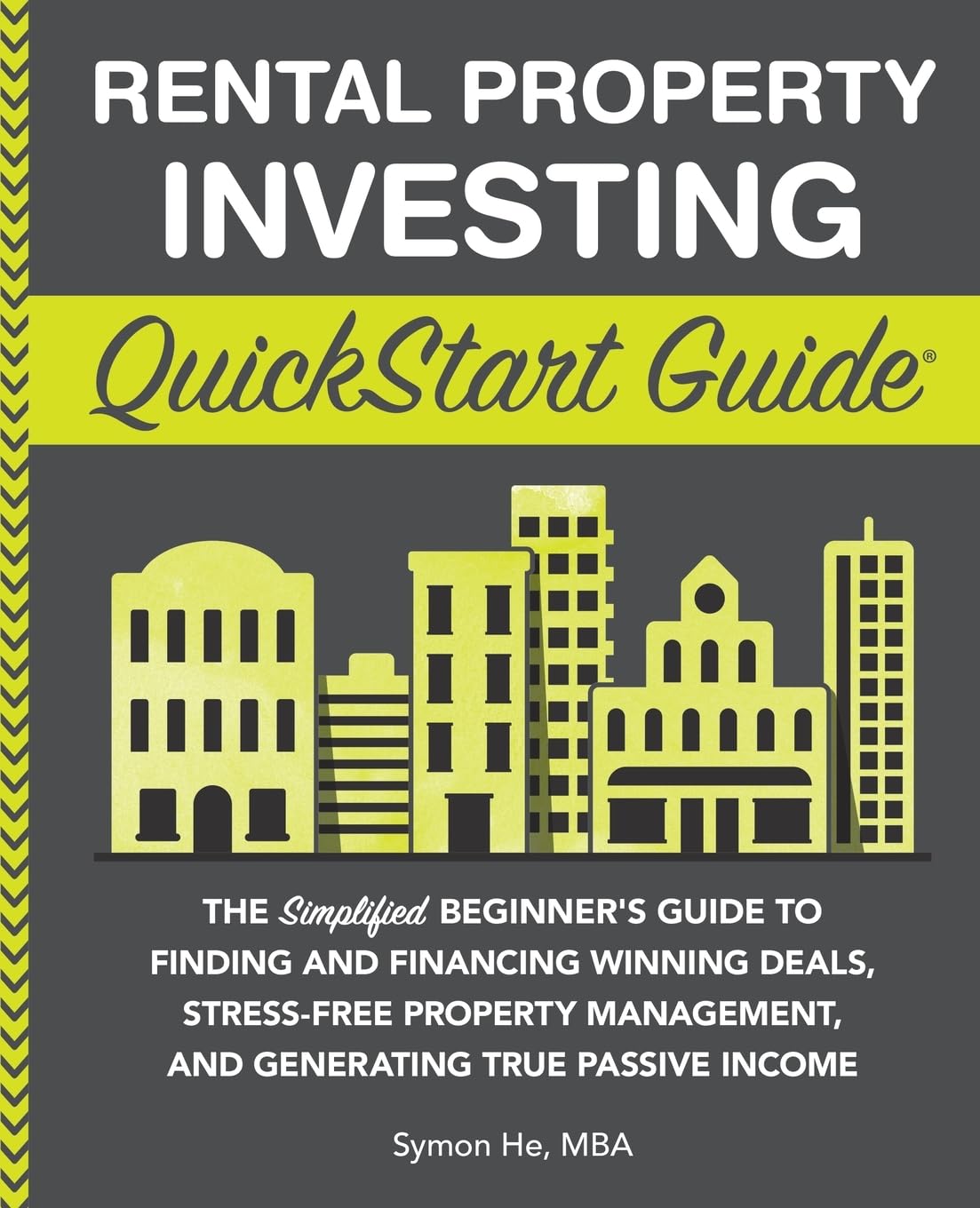
If you are diversifying into crypto ETFs or holding actual assets, exchange security is not enough. “Not your keys, not your coins.” Take custody of your digital assets.
Check Price on Amazon4. Real Estate: Physical vs. REITs
Is 2026 the year to buy a house? It is complicated. While mortgage rates have settled, home prices in prime areas remain stubborn due to a lack of supply. Millions of homeowners are “locked in” at sub-3% rates from 2020/2021 and refuse to sell, keeping inventory historically low. This “lock-in effect” distorts the market, making it hard to find deals. However, the investment side of real estate offers clearer opportunities through public markets, specifically in sectors that don’t rely on residential housing trends.
REITs (Real Estate Investment Trusts)
Publicly traded REITs are looking highly attractive right now. Unlike buying a physical rental property, which requires massive capital, repairs, and tenant management (“toilets and tenants”), REITs allow you to buy shares of commercial real estate portfolios instantly. They are required by law to distribute 90% of their taxable income to shareholders, resulting in high yields.
- Data Center REITs (e.g., Equinix, Digital Realty): These are the “landlords” of the internet. Every time someone uses ChatGPT or streams 4K video, these companies get paid. They have high barriers to entry (power requirements, cooling tech) and massive pricing power.
- Industrial/Logistics REITs (e.g., Prologis): Warehousing remains in short supply as e-commerce stabilizes and companies move inventory closer to consumers to enable same-day delivery. The “last mile” of delivery is the most expensive, making these warehouses strategic goldmines.
Crowdfunded Real Estate
Platforms like Fundrise or RealtyMogul allow you to invest in private credit and equity deals. These have shown lower volatility than the stock market because they are not marked-to-market daily. In 2026, private credit (lending money to developers) is yielding 8-10%, offering an equity-like return with debt-like security. However, note that your money is illiquid—you typically cannot withdraw it for 3-5 years without penalties. This illiquidity premium is what generates the excess return, but it requires patience.
5. Speculative Assets: The Crypto Market

Cryptocurrency has cemented its place as an “alternative asset class” rather than just internet magic money. With the approval and success of Bitcoin and Ethereum Spot ETFs, institutional money from pension funds and endowments is flowing in steadily. This dampens volatility slightly, but increases the correlation with traditional tech stocks. We are observing the maturation of the asset class, where the distinction between “commodity” (Bitcoin) and “technology platform” (Ethereum/Solana) is becoming widely understood by Wall Street.
Bitcoin (The Digital Gold)
Bitcoin remains the “safest” play in crypto. It is increasingly viewed globally as a neutral reserve asset and a hedge against fiat currency debasement. In a world of rising sovereign debt, Bitcoin’s fixed supply cap of 21 million coins is its strongest value proposition. A small allocation (1% – 5%) is becoming a standard recommendation for modern portfolios to boost the “Sharpe Ratio” (risk-adjusted return). The “halving” cycle that occurred in 2024 is still exerting supply shock pressure, historically leading to price appreciation in the 12-18 months following.
Smart Contracts (Ethereum & Solana)
These are the platforms upon which the future of decentralized finance (DeFi) and Tokenization of Real World Assets (RWA) are built. While Bitcoin is money, Ethereum is the “app store.” Investing here is a bet on the utility of the network. In 2026, look for Layer 2 scaling solutions (like Arbitrum or Optimism) that make these networks fast and cheap enough for mainstream adoption. The tokenization of bonds, real estate, and carbon credits on these blockchains is a trillion-dollar opportunity that is just getting started.
The Regulatory Moat: 2026 has brought clearer regulations in the EU (MiCA) and the US. This regulatory clarity is a double-edged sword: it removes the risk of a total ban, encouraging institutional investment, but it also likely spells the end for thousands of “junk” altcoins that serve no purpose. Stick to the blue chips that have active developer communities and real-world usage.
6. Commodities: Gold & Copper
Commodities are often overlooked by retail investors, but they were standout performers in late 2025 and early 2026. Investing in commodities acts as a hedge against geopolitical instability and unexpected inflation spikes. When supply chains break or wars erupt, paper assets (stocks/bonds) tend to suffer, while physical assets tend to hold value. This non-correlation is vital for portfolio stability.
Gold: The Ultimate Hedge
Gold continues to hit all-time highs as central banks (especially in China, India, and Poland) buy it up aggressively to diversify their reserves away from the US Dollar. Unlike stocks, gold produces no cash flow, so it shouldn’t be the main engine of your portfolio. However, holding 5-10% in gold helps smooth out portfolio drawdowns when stocks crash. It is the insurance policy you hope you never need. In 2026, digital gold tokens (paxg) and physical gold ETFs make owning the yellow metal easier than storing bars in a safe.
Copper: The Metal of Electrification
Often called “Dr. Copper” because it diagnoses the health of the global economy, copper is facing a massive supply crunch. You cannot build Electric Vehicles, wind turbines, solar panels, or AI data center grids without massive amounts of copper. Mines take 10+ years to come online, and demand is projected to outstrip supply for the rest of the decade. Investing in copper miners or broad commodity ETFs is a play on the unavoidable physics of the green energy transition. This is often termed “Greenflation”—where the transition to green energy drives up the cost of raw materials.

Don’t let the name fool you. This is a comprehensive, jargon-free resource for understanding the mechanics of commodities, stocks, bonds, and mutual funds.
Check Price on Amazon7. The Winning Strategy: How to Deploy Capital
Knowing what to buy is only half the battle. Knowing how to buy it—and where to hold it—is what separates wealthy investors from gamblers. In 2026, execution is everything. You need a mechanical system that removes emotion from your financial decisions.
Dollar-Cost Averaging (DCA)
Human beings are terrible at timing the market. We get greedy at the top and fearful at the bottom. To combat this, set up automatic transfers to buy your chosen assets every month, regardless of the price. This strategy, known as Dollar-Cost Averaging, smooths out your average entry price. When the market is down, your fixed dollar amount buys more shares; when it’s up, you buy fewer. Over time, this mathematically lowers your cost basis and ensures you are buying during the dips without having to stare at charts all day.
Asset Location: Tax Optimization
It’s not just what you earn, it’s what you keep. Place your assets strategically to minimize taxes:
- Tax-Advantaged Accounts (401k, Roth IRA): ideal for high-turnover strategies, REITs (which are taxed at ordinary income rates), and bonds. You want to shield high-tax assets here.
- Taxable Brokerage Accounts: Ideal for long-term hold stocks and ETFs where you can benefit from lower Long-Term Capital Gains tax rates (0%, 15%, or 20%). This also allows for “Tax Loss Harvesting”—selling losers to offset gains.
The Core-Satellite Approach
Don’t bet the farm on a hunch. Structure your portfolio like this:
- Core (80%): Boring, reliable, low-cost assets. S&P 500 ETFs, Total Market Funds, and High-Yield Savings. This funds your retirement and provides stability.
- Satellite (20%): High-conviction bets. This is your “fun money” for individual stocks, Crypto, or Sector-specific ETFs (like Uranium or Biotech). If these go to zero, your life doesn’t change. If they 10x, you buy a boat. This satisfies the urge to gamble without ruining your future.
Frequently Asked Questions
Yes. While markets are near highs, statistical analysis shows that “time in the market” beats “timing the market” 90% of the time. Waiting for a crash often results in missing the best growth days, which account for the majority of long-term returns. Start with a diversified index fund to minimize specific company risk.
Currently, High-Yield Savings Accounts (HYSAs) and short-term US Treasury Bills are the safest, offering yields between 4.0% and 5.0%. They are virtually risk-free compared to stocks or crypto. Series I Savings Bonds are also a strong contender for inflation protection, though purchase limits apply.
For most hands-off investors, REITs are superior right now. They offer liquidity (you can sell instantly) and exposure to commercial properties like data centers that are hard for individuals to buy directly. Physical real estate is currently hampered by high borrowing costs and low inventory.
Bitcoin is widely considered a strong long-term hold and a hedge against inflation. However, it remains volatile. Financial experts often recommend limiting crypto to 1-5% of your total net worth. It should be viewed as a 5-10 year hold, not a get-rich-quick scheme.
The top sectors for 2026 include Technology (specifically AI infrastructure and hardware), Healthcare (biotech innovation and aging demographics), and Industrials (domestic manufacturing and energy grid upgrades).
You should keep 3 to 6 months of living expenses in a High-Yield Savings Account as an emergency fund. Any cash beyond that is technically “dragging” on your portfolio’s performance due to inflation and missed opportunity cost, and should likely be invested according to your plan.
Yes. With yields higher than they have been in a decade, bonds are once again a viable income generator. They also serve as a crucial stabilizer (ballast) for your portfolio; when stocks crash, high-quality bonds typically rise or hold steady.