Where to Invest Money: The Complete Roadmap for Building Wealth
Start Here: The “Where” Depends on the “When”
“Where should I put my money?” is the most common question in finance, but the answer depends entirely on when you need it back.
If you need the money in 6 months for a wedding, putting it in the stock market is gambling. If you need it in 30 years for retirement, keeping it in a savings account is losing money to inflation.
This guide breaks down the investment landscape into actionable tiers, helping you match your money to the right vehicle. For a forward-looking perspective on specific assets performing well this year, check our guide on best investments for 2026.
The Financial Hierarchy of Needs
Before you buy your first stock or crypto coin, you must secure your foundation. Investing without a safety net is financial suicide.
Step 1: The Emergency Fund
Goal: 3–6 months of living expenses.
Where to put it: High-Yield Savings Account (HYSA).
Why: This money is insurance, not an investment. Do not risk it.
Step 2: High-Interest Debt
Goal: $0 Balance.
Strategy: Pay off any credit card debt with interest rates above 7%. Guaranteed 20% return (by saving on interest) beats the stock market every time.
1. The Growth Engine: Stock Market Funds
For most people, the stock market is the primary vehicle for long-term wealth. It has historically returned about 10% per year on average over the last century.
Index Funds & ETFs
Instead of trying to pick the next Apple or Tesla, buy the whole basket. An S&P 500 ETF (like VOO or SPY) gives you ownership in the 500 largest companies in America. It is low cost, diversified, and beats 90% of professional traders over time. For more specific sector picks, see our stocks investing guide.
Individual Stocks
If you have a higher risk tolerance and want to try to beat the market, allocate a small portion (5-10%) of your portfolio to individual companies. Look for businesses with strong “moats” (competitive advantages) and healthy cash flow.

J.L. Collins wrote this book as a guide for his daughter. It simplifies the complex world of investing into a straightforward strategy that anyone can follow. Stop overthinking and start building.
Check Price on Amazon2. The Inflation Hedge: Real Estate
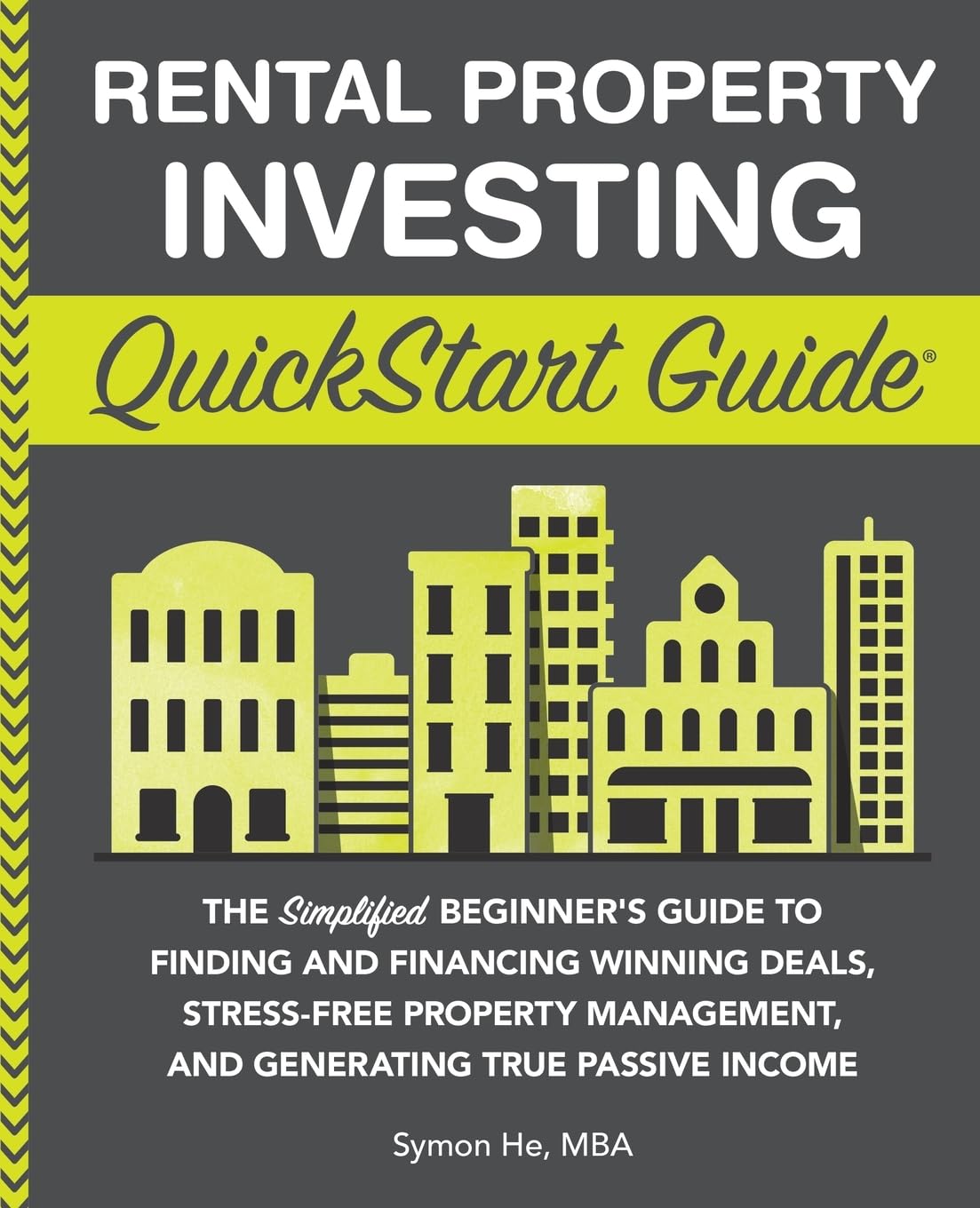
Real estate is a favorite among wealthy investors because it offers leverage (you can buy a $500k asset with $100k down) and tax advantages. It also serves as a powerful hedge against inflation.
| Type | Effort | Liquidity |
|---|---|---|
| Physical Rental | High (Landlord) | Low (Hard to sell fast) |
| REITs (Stocks) | Zero (Passive) | High (Sell instantly) |
| Crowdfunding | Low | Medium (Lock-up periods) |
If you don’t want to fix toilets at 2 AM, consider REITs (Real Estate Investment Trusts). These are companies that own office buildings, apartments, or data centers, and they are required by law to pay out 90% of their taxable income as dividends to you. Learn more in our real estate section.
3. The Moonshot: Crypto & Alternatives
This category is for the “speculative” portion of your portfolio—money you can afford to lose but has the potential for explosive 10x+ growth.
Cryptocurrency
Bitcoin has emerged as “digital gold,” a decentralized store of value. Ethereum powers the new internet of contracts. While volatile, a 1-5% allocation here can significantly boost portfolio returns. Read more about risk management in our crypto investing guide.
Commodities
Gold, silver, and oil do not produce cash flow, but they protect purchasing power when currencies weaken. They are essential portfolio diversifiers.

If you invest in crypto, you need self-custody. “Not your keys, not your coins.” The Ledger Nano X keeps your investments safe from exchange hacks.
Check Price on Amazon4. The Safety Net: Bonds & HYSAs
As you get closer to retirement, capital preservation becomes more important than growth. This is where fixed-income assets shine.
- Treasury Bills (T-Bills): Loans to the US government. Considered “risk-free.”
- Corporate Bonds: Loans to companies. Higher risk than Treasuries, but higher yield.
- CDs (Certificates of Deposit): You lock your money away for 1-5 years in exchange for a guaranteed interest rate.
Balancing these safe assets with growth stocks is the core of a solid retirement strategy.
Frequently Asked Questions
You can start with as little as $1 or $5 thanks to “fractional shares” offered by most modern brokerage apps (like Robinhood, Fidelity, or Schwab). The key is starting early to let compound interest work.
A High-Yield Savings Account (HYSA) or Short-Term Treasury Bills. These offer competitive interest rates with virtually zero risk of losing your principal balance.
If your situation is simple (W2 income, standard 401k), you likely don’t need one. If you have a high net worth, own a business, or have complex estate planning needs, a fee-only fiduciary advisor is worth the cost.
Neither is “better”—they serve different purposes. Stocks are passive and liquid (easy to sell). Real estate is active (requires work) and illiquid, but offers tax breaks and leverage. Most wealthy people own both.