The World’s Top 20 Highest Dividend-Paying Stocks: Every Income Investor’s Must-Read
Introduction: The Quiet Power of Dividend Income
There’s a certain kind of investor who doesn’t lose sleep over market crashes. They check their brokerage accounts not to watch stock prices tick up and down, but to see dividends quietly depositing — month after month, quarter after quarter — regardless of what the market is doing. These are dividend investors, and in 2026, they’re more relevant than ever.
In an environment where interest rates are stabilizing after years of volatility, global dividend payouts have reached record highs. According to recent data, global dividends surpassed $1.7 trillion in a single year — a staggering number that underscores just how much real money flows from profitable companies to their shareholders every single year. For anyone serious about building lasting wealth, dividend stocks aren’t just an option — they’re a cornerstone strategy.
But here’s the thing: not all dividends are created equal. A stock yielding 15% might sound incredible until you discover the company is burning cash and the payout is about to be slashed in half. Meanwhile, a boring utility with a modest 5% yield might quietly double your money over a decade through compounding and price appreciation. The difference between a good dividend stock and a dangerous one lies in the details — and that’s exactly what this guide unpacks.
We’ve combed through global equity markets — from the energy pipelines of North America to the mining giants of Australia and the telecoms of Europe — to bring you the 20 highest dividend-paying stocks in the world that actually deserve your attention. We’ll look at their yield, payout history, sector context, and the risks every income investor should understand before buying in.
Whether you’re a retiree looking for reliable income, a younger investor building a compound-growth machine, or simply curious about where the world’s most generous dividends come from, you’re in exactly the right place. If you’re just getting started, our best investments for 2026 guide provides a solid foundation before you dive into individual stock picks.
Why High-Dividend Stocks Belong in Every Portfolio
Before we name names, let’s talk about why dividend-paying stocks deserve a serious seat at the portfolio table — beyond the obvious appeal of “getting paid to hold shares.”
1. Total Return Matters, Not Just Price Gains
Studies spanning multiple decades consistently show that dividends account for roughly 40–50% of the total long-term return generated by the S&P 500. When you reinvest dividends, the compounding effect is extraordinary. A $10,000 investment earning 6% in price appreciation plus a 4% dividend yield (reinvested) compounds far faster than a 10% growth stock that pays nothing. This is why Warren Buffett’s Berkshire Hathaway — despite not paying a dividend itself — holds enormous positions in heavy dividend payers like Coca-Cola and Chevron.
2. Dividends Signal Financial Health
A company that pays consistent, growing dividends is essentially writing you a check of confidence. Management teams don’t raise dividends without conviction that future earnings will support them. Dividend growth, especially among so-called “Dividend Aristocrats” who have raised payouts for 25+ consecutive years, is one of the most reliable proxy metrics for corporate financial health you’ll find anywhere in the market.
3. Passive Income That Scales
Unlike rental properties, dividend income doesn’t require property management, tenant issues, or maintenance calls at 2 AM. Once you own the shares, the income flows automatically. And the more shares you own, the more income you receive — it scales beautifully. For retirement strategy planning, dividend income is particularly powerful because it can supplement or even replace salary income without requiring you to sell assets.
4. Inflation Hedge Through Dividend Growth
A company that grows its dividend annually at 5–8% is effectively giving you a raise every year — keeping pace with or outrunning inflation. This is why dividend growth investing is so popular among sophisticated investors who think in decades, not quarters. The combination of a solid starting yield and consistent growth is the compound-interest engine most people overlook.
How We Ranked These 20 Stocks
This isn’t a raw yield chase. Simply finding the highest percentage yield and listing it would give you a parade of distressed companies that are about to slash their dividends. Instead, we evaluated each stock using a multi-factor framework:
- Current Dividend Yield — The headline number: annualized dividend divided by current share price
- Payout Sustainability — Is the dividend covered by earnings or free cash flow? (Payout ratio matters enormously)
- Dividend History — Has the company maintained or grown payouts over time?
- Balance Sheet Strength — Debt levels, interest coverage, and capital structure
- Sector Context — Some sectors (energy, tobacco, telecoms, REITs, miners) structurally generate higher yields
- Global Accessibility — Stocks that individual investors can actually buy through standard brokers
With that framework in mind, let’s meet the list. All yields are approximate as of early 2026 and subject to change based on share price and dividend announcements.
Top 20 Highest Dividend-Paying Stocks in the World (2026)
If you’ve followed income investing for any length of time, Altria is a name that comes up almost every conversation. The maker of Marlboro cigarettes has been one of the most consistent dividend payers in American stock market history — and with a yield hovering around 9%, it’s not hard to see why income investors flock to it.
Altria’s core business — selling cigarettes in the United States — is structurally declining as smoking rates fall. Yet the company has masterfully adapted: raising prices faster than volume falls, generating enormous free cash flow, and pivoting toward heated tobacco products, nicotine pouches (through its on! brand), and a stake in JUUL (though that investment has faced significant challenges). The company has raised its dividend 58 times in the past 54 years, making it one of the most reliable dividend growers in history.
The risk here is real — regulatory pressure, declining tobacco volumes, and the long-term arc of the industry. But for investors focused on cash income and willing to accept the sector’s controversies, Altria’s combination of a near-10% yield and decades of dividend growth is genuinely exceptional. The payout ratio, while elevated, is supported by the company’s massive free cash flow conversion.
British American Tobacco sits alongside Altria as one of the global tobacco duopoly’s twin dividend engines. BAT is actually the larger company by global reach, selling cigarettes and next-generation products in over 180 countries. Its flagship brands include Lucky Strike, Dunhill, Kent, and Pall Mall, alongside its growing portfolio of vaping and heated tobacco products under the Vuse and Velo brands.
BAT’s dividend yield often nudges above 9%, sometimes touching 10% during periods of share price weakness — a direct consequence of markets pricing in the secular decline of combustibles. What’s notable is BAT’s deliberate transformation strategy: the company has committed to generating £5 billion in revenue from non-combustible products by 2025 and has made significant progress. Its New Categories segment (vaping, heated tobacco, oral nicotine) is one of the fastest-growing in the industry.
American depositary receipts (ADRs) listed on the NYSE as BTI make BAT accessible to U.S. investors, though currency risk (GBP/USD) and UK dividend withholding taxes add complexity. For those willing to navigate the nuances, BAT’s yield remains one of the highest you’ll find among large-cap global equities.
Rio Tinto is one of the world’s largest mining companies, with operations spanning iron ore, copper, aluminum, diamonds, and industrial minerals across six continents. Its dividend policy is closely tied to commodity cycles — when iron ore prices are strong (as they’ve been in various periods), Rio generates extraordinary free cash flow and rewards shareholders generously.
The company operates a progressive dividend policy with the potential for substantial special dividends when earnings are exceptional. This means the yield can be highly variable — sometimes much higher than the base rate in years of strong commodity prices. Rio’s iron ore operations in Western Australia’s Pilbara region are among the most profitable mining assets on earth, with massive economies of scale.
For income investors, Rio Tinto sits at the intersection of the global energy transition (copper is critical for electrification) and traditional industrial demand (iron ore, steel). The commodity cycle dependency makes it more volatile than classic dividend utilities, but the scale of income potential in up-cycles is substantial.
No list of the world’s highest dividend-paying stocks would be complete without Petrobras, the Brazilian state-controlled oil giant whose yields have repeatedly stunned global markets. Petrobras has at times paid yields exceeding 15–20% annually, driven by extraordinary profits from its deepwater pre-salt oil fields — some of the richest in the world.
The company’s payout policy ties dividends to free cash flow minus certain debt metrics, which means when oil prices are elevated and production is humming, dividend payments can be truly jaw-dropping. The pre-salt discoveries off Brazil’s coast give Petrobras structural cost advantages that many global peers simply can’t match — production costs below $7 per barrel in some formations.
However, the risk profile here is elevated. As a state-controlled company, Petrobras faces political interference risk — Brazilian government policy can influence pricing, exploration decisions, and dividend policy. Currency risk (Brazilian Real vs. USD), emerging market volatility, and governance concerns are all real. This is a high-yield, high-risk pick — appropriate for experienced investors with risk tolerance, not a core holding for conservative portfolios.
MPLX is a master limited partnership (MLP) formed by Marathon Petroleum to own and operate midstream energy infrastructure — think pipelines, storage facilities, gathering systems, and processing plants. As an MLP, it’s structured to pass through the vast majority of cash flow to unitholders (the MLP equivalent of shareholders), which is exactly why the yield is so high.
What distinguishes MPLX from riskier high-yield plays is the quality of its cash flow. Midstream assets operate on long-term, fee-based contracts — when oil and natural gas move through a pipeline, MPLX charges a toll regardless of the commodity price. This fee-based model makes distributions far more stable and predictable than upstream exploration companies whose fortunes rise and fall with oil prices.
Note that MLPs come with tax complexity — they issue a K-1 form instead of a 1099, which complicates tax preparation. Holding MLPs in IRAs or tax-advantaged accounts can trigger Unrelated Business Taxable Income (UBTI) issues. Consult a tax professional before investing. Despite the complexity, MPLX’s distribution coverage ratio and consistent payout growth make it one of the most attractive midstream income vehicles available.
Enbridge operates the world’s longest and most complex crude oil and liquids pipeline system, moving roughly 30% of North American crude oil production. Beyond pipelines, it has significant natural gas transmission, gas distribution utilities, and a growing renewable power segment. Its dividend has been raised consecutively for 29 years — a remarkable record that puts it firmly in Dividend Aristocrat territory for Canadian markets.
The company’s regulated and long-term contracted cash flows provide unusual stability for such a large infrastructure operator. Even during the worst periods of oil price volatility, Enbridge’s pipeline tolling revenues remained relatively resilient because oil still needed to move from wellhead to refinery regardless of price. This is the infrastructure toll-road model applied to energy — and it’s an excellent one for income investors.
Canadian withholding taxes apply to dividends for U.S. investors (typically 15% under the U.S.-Canada tax treaty, often recoverable via foreign tax credit). ENB’s USD-denominated shares on the NYSE make it straightforward to buy for American investors.

Build Your Investment Knowledge
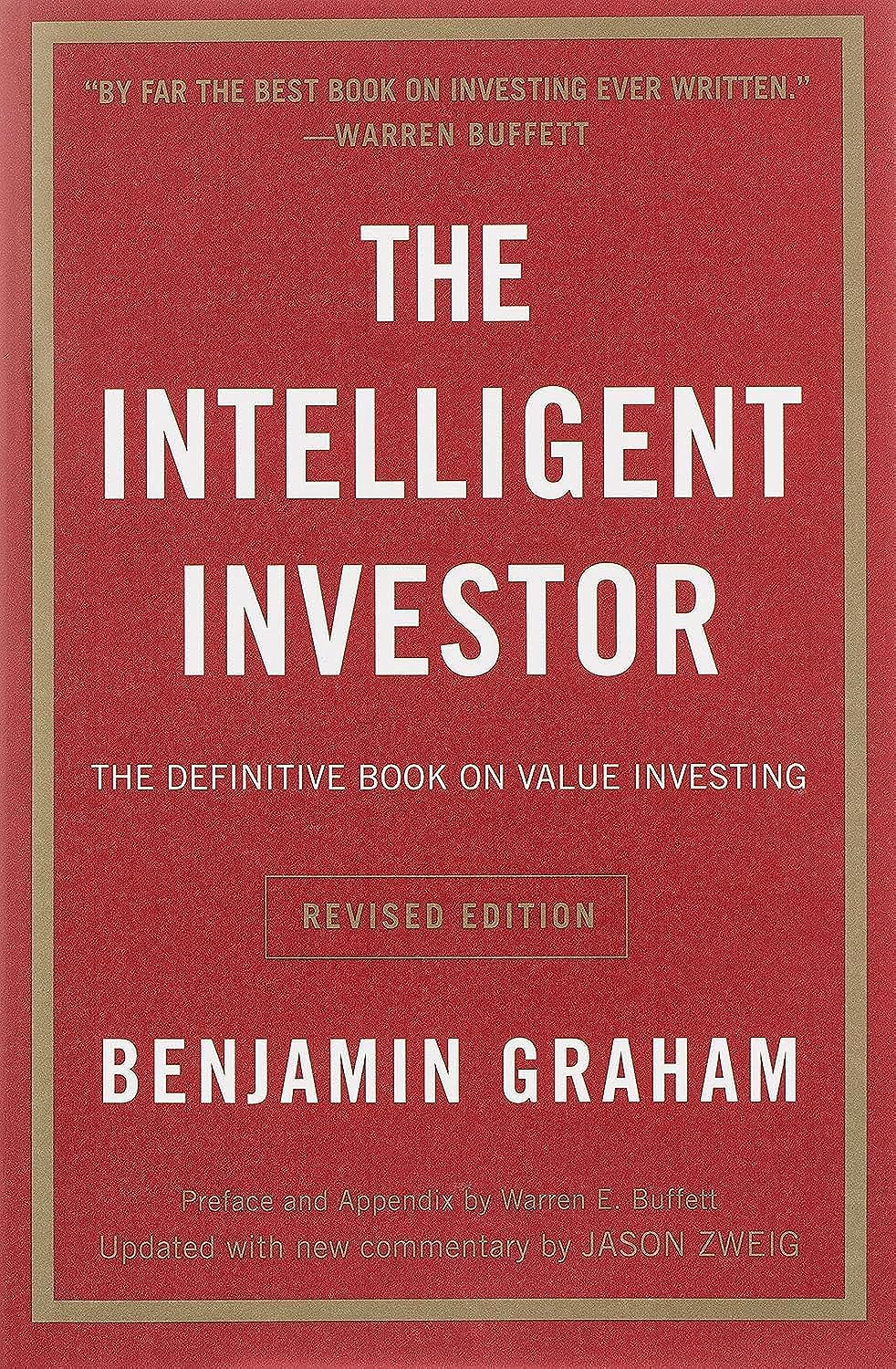
Top-rated investing books and courses to help you analyze dividend stocks like a professional portfolio manager.
📖 Find Investing Guides on Amazon →AT&T has had a complicated decade — buying and then divesting DirecTV and Warner Media in multi-billion-dollar moves that left the company carrying massive debt. The dividend was cut significantly when WarnerMedia was spun off into Warner Bros. Discovery. Yet even post-cut, AT&T’s yield remains solidly in the 6–7% range, and the company is now executing a more focused strategy: be the best connectivity company in America and pay down debt.
The core wireless business is genuinely strong — AT&T has made significant investments in its 5G network and fiber broadband expansion (AT&T Fiber), which are seeing solid subscriber growth. As debt levels decline and fiber investment spending peaks, the company’s free cash flow profile is improving, which supports the sustainability of its current dividend level.
AT&T is the classic “turnaround dividend” story — a company with a somewhat damaged reputation rebuilding credibility through execution. The dividend yield rewards patient investors while they wait for the transformation to play out fully. For those comfortable with the telecom sector’s capital-intensive nature, T represents one of the more accessible high-yield large-cap names in the U.S. market. For broader context on where dividend stocks fit in a complete portfolio, check out our guide to wealth management strategies.
Annaly Capital is a mortgage real estate investment trust (mREIT) — a different animal from equity REITs that own physical properties. Instead, Annaly invests primarily in agency mortgage-backed securities (MBS) guaranteed by Fannie Mae and Freddie Mac, using leverage to amplify the spread between short-term borrowing costs and long-term MBS yields.
The yields look extraordinary — often reaching 13–15% — because mREITs are required by law to distribute at least 90% of taxable income. The catch is that mREIT dividends are highly sensitive to interest rate movements. When the yield curve is steep (long rates much higher than short rates), Annaly makes enormous spreads. When rates invert or move adversely, book value and dividends can both suffer. NLY has had multiple significant dividend cuts in its history, often in response to rate environment changes.
This is a sophisticated financial instrument disguised as a simple dividend stock. The double-digit yield is real, but it requires understanding the interest rate environment to assess sustainability. Not for passive income investors who don’t want to monitor macro conditions.
AbbVie occupies a special place in the dividend world — not because its yield is the highest on this list, but because the combination of yield quality, dividend growth, and business quality is hard to match anywhere. AbbVie is a Dividend Aristocrat, having raised its dividend for 52+ consecutive years (including its time as part of Abbott Laboratories), one of the longest streaks in the market.
The company faced an existential challenge when Humira — the world’s best-selling drug for over a decade — faced biosimilar competition in 2023. Yet management had been preparing for this for years, building a robust pipeline that includes blockbuster immunology drugs like Skyrizi and Rinvoq, which have outperformed even optimistic growth projections. AbbVie’s oncology portfolio (including Imbruvica) adds further diversification.
The result: a pharmaceutical giant that turned a potential dividend crisis into a demonstration of corporate resilience. At yields often between 4–4.5% combined with consistent dividend growth and strong pipeline momentum, AbbVie is arguably the highest-quality dividend stock in U.S. healthcare — which is why it shows up in so many sophisticated income portfolios.
Realty Income calls itself “The Monthly Dividend Company” — and it’s earned that branding through 54+ years of consistent monthly dividend payments and 120+ consecutive quarterly dividend increases. It’s one of the most beloved dividend stocks among income investors worldwide, combining the stability of high-quality commercial real estate with the reliability of a diversified tenant base.
Realty Income’s portfolio consists primarily of single-tenant commercial properties leased on a net-lease basis — meaning tenants pay property taxes, insurance, and maintenance on top of rent. This structure reduces risk for the landlord substantially. Tenants include recession-resistant operators like Walgreens, Dollar General, 7-Eleven, and FedEx — businesses that tend to hold up even in economic downturns.
Monthly dividends — rather than the quarterly schedule most REITs use — make O particularly appealing to retirees and anyone structuring their portfolio for regular income. At around 5.5–5.7% yield with growing dividends, it combines income, stability, and quality in a way that few investments can. Our piece on real estate investing explores REITs and other property-based strategies in much more detail.

REIT Investing Resources
Explore top-rated books on REIT investing, real estate income strategies, and how to build a diversified property-backed dividend portfolio.
🏢 Browse REIT Books on Amazon →Spain’s telecommunications giant Telefónica serves over 350 million customers across Europe and Latin America through brands including Movistar, O2, and Vivo. Like many European telecoms, Telefónica operates in mature, highly competitive markets with significant capital expenditure requirements — which has historically pressured dividends.
Yet Telefónica has stabilized its dividend policy through asset portfolio optimization, selective disposals of underperforming markets, and a strategic focus on its highest-quality operations in Spain, Germany, UK, and Brazil. The company has been disciplined about managing debt while maintaining a shareholder-friendly capital allocation framework.
European withholding taxes (Spain applies a 19% withholding on dividends) can complicate the effective yield for international investors. Still, for income investors willing to manage currency exposure (EUR/USD) and navigate the tax complexities, TEF offers one of the more attractive yields among global telecom giants.
Vale is the world’s largest producer of iron ore and nickel — two commodities that are central to the global economy and the clean energy transition (nickel is critical for EV batteries). The company’s ability to generate cash at scale means that in strong commodity price environments, its dividend yield can genuinely reach double digits.
Like other mining companies, Vale’s dividends are inherently cyclical. Iron ore prices, influenced by Chinese steel demand, can swing dramatically. In boom years, Vale’s dividends are extraordinary; in downturns, they contract. The company also carries legacy liabilities from the Brumadinho dam disaster in 2019, which resulted in significant fines and remediation costs — though Vale has made substantial progress addressing these obligations.
For investors who understand commodity cycle dynamics and want exposure to China’s long-term industrial and EV battery demand, Vale’s combination of high yield and strategic positioning in critical minerals makes it an interesting income vehicle — albeit one requiring careful position sizing.
AGNC Investment Corp. is another agency mortgage REIT that pays monthly dividends with yields routinely above 14%. Like Annaly, AGNC invests in agency-backed MBS using leverage to amplify yield spreads. What distinguishes AGNC somewhat is its focus on shorter-duration securities and more active portfolio management, which has at times made it marginally more resilient to rate volatility than some peers.
The monthly dividend structure is particularly attractive to income-focused investors who prefer twelve payments per year over four. However, it’s critical to track AGNC’s book value per share — dividend yield alone doesn’t tell the full story if book value is eroding. Total return (dividends plus/minus book value change) is the metric that matters most for evaluating mREIT performance.
In a stabilizing or falling rate environment, mREITs like AGNC can perform exceptionally well as spreads widen and book values recover. In rising-rate environments, the picture reverses. These are rate-environment bets as much as income investments.
BHP is the world’s largest mining company by market capitalization, with operations spanning iron ore, copper, coal, and nickel. Like Rio Tinto, BHP commits to paying out a minimum of 50% of underlying attributable profit as dividends, with additional returns possible through special dividends and buybacks when balance sheet strength allows.
BHP’s strategic pivot toward “future-facing commodities” — particularly copper for electrification infrastructure and potash for agricultural productivity — positions it well for long-term demand tailwinds. Its Australian Pilbara iron ore operations are similarly best-in-class, generating enormous free cash flow at almost any reasonable commodity price.
Australian ADRs available on the NYSE make BHP accessible internationally, though Australian dividend imputation credits (franking) may not be usable by all international investors — check with your tax advisor. The combination of world-class asset quality, a diversified commodity portfolio, and a committed distribution policy makes BHP one of the premier dividend opportunities in global mining.
Verizon is the other half of the American telecom dividend story alongside AT&T. The company has raised its dividend for 18+ consecutive years and carries a yield typically above 6.5%, making it a staple in income portfolios across the country. Verizon’s wireless network is widely considered the highest-quality in the United States, which supports premium pricing and lower churn.
The company faces similar challenges to AT&T: heavy capital expenditure requirements for 5G buildout, fiber expansion (Verizon’s Fios and new fixed wireless products), and debt management. Verizon took on significant debt acquiring Frontier Communications in a deal completed in 2024, which expanded its fiber footprint substantially but added leverage that will take years to reduce.
The case for Verizon is essentially a quality-of-service bet: as America’s premium wireless carrier, it should be able to maintain pricing power and subscriber loyalty even in a competitive environment. The yield compensates investors for the capital-intensive nature of the business and the debt-heavy balance sheet.

Passive Income Investing Tools
Stock screeners, dividend trackers, and portfolio analysis tools to help you build and monitor your income investing strategy.
🛠 Browse Investing Tools on Amazon →Chord Energy represents the new generation of capital-disciplined U.S. energy producers. Formed through the merger of Oasis Petroleum and Whiting Petroleum, Chord focuses on the Williston Basin (Bakken shale) and operates with a return-of-capital framework that combines a base dividend with variable dividend supplements tied to free cash flow generation.
The variable dividend model means the total payout fluctuates with oil prices — you’ll receive higher dividends when WTI crude is elevated, lower when prices fall. This is actually a more honest and sustainable model than companies that maintain fixed dividends regardless of commodity price environment. Chord’s low-cost Bakken operations generate significant free cash flow even at mid-$50 oil prices, providing a reasonable floor on distributions.
For investors who want direct energy exposure and are comfortable with the variability, Chord’s combination of operational efficiency, strong Bakken acreage, and disciplined capital allocation makes it one of the more interesting E&P dividend plays in North America.
Chevron is arguably the highest-quality integrated oil major in the world from a dividend investor’s perspective. The company has raised its dividend for 37+ consecutive years — making it one of the longest-running dividend growth streaks in the energy sector globally. Warren Buffett has maintained a large Chevron position at Berkshire Hathaway for years, which speaks volumes about the quality of its business model.
What makes Chevron particularly compelling is its balance sheet — consistently one of the strongest among major oil companies — which allows it to maintain and grow its dividend even during severe oil price downturns (including the 2020 COVID crash). Its acquisition of Hess Corporation (pending) would add significant long-cycle deepwater assets in Guyana, one of the most exciting oil development regions in the world.
At 4%+ yield with decades of consecutive dividend growth, Chevron offers a more conservative, quality-focused way to access energy-sector dividend income compared to the pure high-yield but variable plays earlier on this list.
Philip Morris International sells tobacco products in every major market outside the United States, giving it genuine global diversification that its American peer Altria Group lacks. The company is undergoing one of the most ambitious business model transformations in consumer goods history: its stated goal is to become a majority smoke-free company by revenue, driven by its IQOS heated tobacco platform and ZYN nicotine pouches.
The transformation is actually working. IQOS has become the dominant heated tobacco product in many markets globally, with particularly strong penetration in Japan, South Korea, and Central Europe. ZYN nicotine pouches (acquired through the Swedish Match purchase) have achieved remarkable market share in the U.S. and internationally. These next-generation products often carry higher margins than traditional cigarettes.
PM has raised its dividend for 16+ years as an independent company and offers a yield typically in the 5–5.5% range with consistent growth. Unlike pure domestic tobacco plays, PM’s geographic and product diversification reduces concentration risk, making it the most defensible dividend play in the global tobacco sector.
Enterprise Products Partners is widely considered the gold standard of MLP investing — a behemoth midstream operator with over 50,000 miles of pipelines and a staggering $60+ billion enterprise value. What truly sets EPD apart from the MLP universe is its financial discipline: the partnership funds its growth projects with internally generated cash flow rather than constantly issuing new units (diluting existing holders), a model that has proven far more sustainable.
EPD has raised its distribution for 26+ consecutive years — an exceptional record for any MLP, let alone one operating in the volatile energy sector. The partnership covers its distribution at 1.7x to 1.8x — meaning it generates nearly twice the cash needed to pay its distribution — providing a substantial buffer against commodity price disruptions.
As with MPLX, the K-1 tax complexity applies here. But for those who can manage it (or hold EPD in a taxable brokerage account), the combination of ~7% yield, consistent distribution growth, and best-in-class financial management makes Enterprise Products Partners one of the finest income investments available in the energy sector. If you’re building toward financial independence, our financial planning tips resource covers how to integrate MLPs and other income vehicles into a comprehensive plan.
W.P. Carey is a diversified net lease REIT with a portfolio spanning industrial properties, warehouses, retail, and office buildings across the U.S. and Europe. The REIT’s European exposure (roughly 35% of revenues) provides genuine geographic diversification that most domestic REITs don’t offer — and also introduces EUR/USD currency dynamics into the income stream.
The company went through a significant transformation in 2023 when it exited the office sector, spinning off its office properties into a separate entity to improve portfolio quality and reduce perceived risk. The dividend was reset lower as part of this repositioning, which disappointed some long-term holders but arguably set the stage for more sustainable growth going forward.
WPC’s industrial and warehouse properties benefit from the secular e-commerce and logistics boom, while its European diversification provides protection if U.S. real estate markets soften. The net lease structure (tenants pay operating expenses) provides cash flow stability. At ~6.2% yield with quarterly dividends and a recovering growth trajectory, W.P. Carey closes our list as a quality global REIT option.
Quick-Reference Comparison Table
Use this table to compare all 20 stocks at a glance. Yields are approximate as of early 2026 and fluctuate based on share price movements.
| # | Company | Ticker | Sector | Country | ~Yield | Div. Freq. | Sustainability |
|---|---|---|---|---|---|---|---|
| 1 | Altria Group | MO | Tobacco | 🇺🇸 US | ~9.1% | Quarterly | ⭐⭐⭐⭐ |
| 2 | British American Tobacco | BTI | Tobacco | 🇬🇧 UK | ~9.5% | Quarterly | ⭐⭐⭐⭐ |
| 3 | Rio Tinto | RIO | Mining | 🇦🇺 AU | ~7.8% | Semi-Ann. | ⭐⭐⭐ |
| 4 | Petrobras | PBR | Oil & Gas | 🇧🇷 BR | ~12–15% | Quarterly | ⭐⭐ |
| 5 | MPLX LP | MPLX | Midstream | 🇺🇸 US | ~9.2% | Quarterly | ⭐⭐⭐⭐⭐ |
| 6 | Enbridge Inc. | ENB | Midstream | 🇨🇦 CA | ~7.5% | Quarterly | ⭐⭐⭐⭐⭐ |
| 7 | AT&T Inc. | T | Telecom | 🇺🇸 US | ~6.5% | Quarterly | ⭐⭐⭐ |
| 8 | Annaly Capital | NLY | mREIT | 🇺🇸 US | ~13–15% | Quarterly | ⭐⭐ |
| 9 | AbbVie Inc. | ABBV | Pharma | 🇺🇸 US | ~4.2% | Quarterly | ⭐⭐⭐⭐⭐ |
| 10 | Realty Income | O | Net Lease REIT | 🇺🇸 US | ~5.6% | Monthly | ⭐⭐⭐⭐⭐ |
| 11 | Telefónica | TEF | Telecom | 🇪🇸 ES | ~7.2% | Semi-Ann. | ⭐⭐⭐ |
| 12 | Vale S.A. | VALE | Mining | 🇧🇷 BR | ~8–12% | Semi-Ann. | ⭐⭐ |
| 13 | AGNC Investment | AGNC | mREIT | 🇺🇸 US | ~14–15% | Monthly | ⭐⭐ |
| 14 | BHP Group | BHP | Mining | 🇦🇺 AU | ~5–8% | Semi-Ann. | ⭐⭐⭐⭐ |
| 15 | Verizon Comm. | VZ | Telecom | 🇺🇸 US | ~6.7% | Quarterly | ⭐⭐⭐ |
| 16 | Chord Energy | CHRD | E&P Energy | 🇺🇸 US | ~8–11% | Quarterly | ⭐⭐⭐ |
| 17 | Chevron Corp. | CVX | Integrated Energy | 🇺🇸 US | ~4.2% | Quarterly | ⭐⭐⭐⭐⭐ |
| 18 | Philip Morris Intl. | PM | Tobacco | 🌍 Intl. | ~5.5% | Quarterly | ⭐⭐⭐⭐ |
| 19 | Enterprise Products | EPD | Midstream MLP | 🇺🇸 US | ~7.2% | Quarterly | ⭐⭐⭐⭐⭐ |
| 20 | W.P. Carey | WPC | Net Lease REIT | 🇺🇸 / 🌍 | ~6.2% | Quarterly | ⭐⭐⭐⭐ |
* Sustainability ratings are our editorial assessment based on payout coverage, dividend history, and business quality. They are not investment recommendations.
The Risks Every High-Yield Dividend Investor Must Understand
The allure of double-digit yields can blind even experienced investors to serious risks. Before you start building your dividend portfolio, internalize these key dangers.
1. The Yield Trap — When High Means Danger
A stock yielding 15% when its peers average 5% is almost always trying to tell you something. Often, the share price has collapsed because the market is pricing in a coming dividend cut. When a $1.00 quarterly dividend is paid by a stock that’s fallen from $50 to $25, the “yield” has doubled — but you’ve also lost half your capital. This is the classic yield trap, and it’s caught billions of dollars from unsuspecting income investors over the decades.
The fix: always check the payout ratio. For normal corporations, a payout ratio (dividends as a % of earnings) above 80–85% deserves scrutiny. For REITs, use FFO (Funds from Operations) payout ratio instead of GAAP earnings. For MLPs, use distributable cash flow (DCF) coverage.
2. Dividend Cuts — The Income Investor’s Greatest Fear
A dividend cut is not just a reduction in income. It almost always triggers a sharp stock price decline as income-seeking investors sell en masse. The combination of reduced income AND capital loss can be devastating. AT&T’s dividend cut in 2022 caused the stock to fall significantly. General Electric’s 2017 dividend cut preceded years of stock price pain.
Study the warning signs: rising payout ratio, declining free cash flow, increasing debt, management commentary downplaying dividends, or sector headwinds threatening earnings.
3. Interest Rate Sensitivity
Dividend stocks — particularly REITs, utilities, and MLPs — are often compared to bonds as income vehicles. When interest rates rise, bond yields become more attractive relative to dividend yields, causing dividend stock prices to fall. The 2022–2023 rate-hiking cycle was brutal for REITs and utilities precisely for this reason. As rates stabilize or fall, this dynamic reverses in your favor.
4. Currency and Political Risk for International Stocks
Stocks like Petrobras, Vale, and Telefónica introduce currency risk (BRL, EUR) and political risk (government interference in Brazilian state companies, European regulation). Even well-managed international companies can see dividends reduced or delayed by currency depreciation or policy changes beyond management control.
5. Tax Complexity
International dividends often face withholding taxes (Spain: 19%, Canada: 15%, Australia: partial franking credits). MLP K-1 forms require specialized tax preparation. REIT dividends are typically taxed as ordinary income rather than at the lower qualified dividend rate. Understanding the after-tax yield — not just the nominal yield — is essential for accurate return calculations.
✅ Pros of High-Dividend Stocks
- Passive income stream that scales with position size
- Compounding power when dividends are reinvested
- Inflation protection through dividend growth
- Signal of management confidence in future earnings
- Returns even in sideways or down markets
- Ideal for retirement income supplementation
❌ Cons / Risks to Consider
- Yield traps can destroy capital
- High yields sometimes signal distress
- Interest rate sensitivity for many categories
- Tax complexity (K-1s, foreign withholding)
- Currency risk for international names
- Dividend cuts cause double losses (income + price)
How to Build a High-Dividend Portfolio That Actually Works
Having a list of great dividend stocks is one thing. Building a portfolio from them that generates reliable, growing income without excessive risk requires strategy. Here’s a framework that many seasoned income investors use.
The Core-Satellite Approach
Don’t put 20% of your portfolio into Petrobras because the yield is 15%. Instead, think in tiers:
- Core Holdings (50–60% of dividend portfolio): High-quality, proven dividend growers with 20+ year track records. Think AbbVie, Chevron, Realty Income, Enterprise Products, Enbridge. Lower absolute yield but extremely reliable income.
- Satellite Holdings (30–35%): Higher-yield plays with good but not exceptional track records. AT&T, Verizon, Philip Morris, BHP, Rio Tinto. Better yield, somewhat more risk.
- Speculative Income (5–10%): Very high-yield positions — mREITs, Petrobras, Chord Energy — where you accept more volatility and dividend variability for higher income potential. Never overweight these.
Diversify Across Sectors
Having all your dividend income from tobacco stocks, or all from mining, creates dangerous concentration risk. If tobacco faces regulatory action or mining faces a demand crash, your income stream is devastated. Spread across energy, industrials, REITs, healthcare, telecoms, and mining to smooth out sector-specific cycles.
Think About Dividend Reinvestment (DRIP)
If you don’t need the income immediately, reinvesting dividends automatically through a DRIP program is one of the most powerful wealth-building tools available. Every dividend reinvested buys additional shares, which pay additional dividends, which buy more shares — the classic compound interest flywheel in action. Over 10–20 years, DRIP investing can dramatically accelerate total returns compared to just holding shares and spending dividends.
Monitor, Don’t Obsess
Dividend investing rewards patience, not constant trading. Review your holdings quarterly — check payout ratio trends, free cash flow coverage, and any material business changes. But resist the temptation to sell great companies because their stock price temporarily fell or their yield dropped (a sign the price went up!). Many of the best dividend stocks require years of holding to realize their full income-compounding power.
Don’t Ignore Total Return
Dividend income is wonderful, but it’s not the only thing that matters. A stock that yields 8% but loses 3% in price annually is underperforming a stock that yields 4% and grows its price by 5% annually. Total return — dividends plus capital appreciation — is the metric that truly measures performance. Use dividend yield as a starting filter, but dig deeper into business quality and earnings growth before committing capital.
Key Metrics to Evaluate Before Buying Any Dividend Stock
| Metric | What It Measures | Healthy Range |
|---|---|---|
| Dividend Yield | Annual dividend / share price | Depends on sector; compare to peers |
| Payout Ratio | Dividends / earnings | <75% for most stocks; <90% for REITs (use FFO) |
| Free Cash Flow Coverage | FCF / total dividends paid | >1.2x is healthy; >1.5x is strong |
| Dividend Growth Rate | Annual % increase in dividend | 3–8% annually is excellent |
| Consecutive Years of Growth | Track record of annual increases | 5+ years good; 25+ = Dividend Aristocrat |
| Debt/EBITDA | Leverage level | <3x for most; <5x for utilities/REITs |
| Interest Coverage | EBIT / interest expense | >3x is comfortable |
Frequently Asked Questions
These are the questions income investors ask most frequently about high-dividend stocks. We’ve answered them as directly and honestly as possible.
There’s no universal answer — it depends heavily on sector, interest rate environment, and risk tolerance. As a general guideline: yields below 2% are considered low (growth companies often fall here), 2–4% is moderate and common among Dividend Aristocrats and blue chips, 4–7% is elevated and typical of REITs, telecoms, and MLPs, while anything above 7–8% warrants additional scrutiny to ensure sustainability. In the current rate environment (early 2026), the S&P 500’s average yield is around 1.4–1.6%, so stocks yielding 4%+ are meaningfully above average. Always compare a stock’s yield to its sector peers rather than the broad market.
Absolutely — and this is one of the most important concepts in dividend investing. A very high yield (10%+) often signals that the market expects the dividend to be cut. The yield looks high because the share price has already fallen in anticipation of bad news. This is called a “yield trap.” Before investing in any stock yielding significantly above its sector average, check the payout ratio, free cash flow trends, and recent management commentary. The highest yield stocks in this list — like Petrobras, AGNC, and Annaly — carry genuine risks that match their extraordinary income. Never buy a high-yield stock based on yield alone.
In the U.S., qualified dividends (paid by most domestic corporations on stock held more than 60 days) are taxed at the long-term capital gains rate — 0%, 15%, or 20% depending on your income. Non-qualified dividends (including most REIT dividends, some foreign dividends, and MLP distributions) are taxed as ordinary income, which can be significantly higher. Foreign dividends may also have withholding taxes applied at the source country, though many are recoverable via foreign tax credits. MLP distributions are complex: a portion is typically a return of capital (tax-deferred), while the rest may be ordinary income. Always consult a qualified tax advisor for your specific situation.
A Dividend Aristocrat is an S&P 500 component that has increased its dividend payment for at least 25 consecutive years. It’s one of the most reliable indicators of financial strength and management commitment to shareholders. From our list of 20, AbbVie (52+ years including Abbott era) and Chevron (37+ years) are clear Dividend Aristocrats. Enbridge qualifies under Canadian market aristocrat definitions. Realty Income has 30+ years of consecutive increases. Enterprise Products Partners has 26+ years. Dividend Aristocrats aren’t always the highest-yielding stocks, but they offer exceptional reliability and typically represent the highest-quality businesses in their sectors.
Both approaches have merit and serve different investors. Individual stocks allow you to select the exact companies you want, understand each business deeply, and potentially outperform if you make good picks. They require more research and monitoring time. Dividend ETFs (like SCHD, VYM, or HDV) provide instant diversification across dozens or hundreds of dividend payers, automatic rebalancing, and much lower research requirements — ideal for investors who don’t want to analyze individual companies. Many experienced investors use a hybrid: a core of dividend ETFs supplemented by individual positions in their highest-conviction picks. For beginners, starting with a proven dividend ETF while learning individual stock analysis is often the smartest approach.
Most U.S. stocks pay quarterly dividends (four times per year), while some — like Realty Income and AGNC — pay monthly. International stocks often pay semi-annually or annually. To create a monthly income stream from quarterly payers, you can stagger your holdings so different stocks pay in different months. As for living off dividend income: yes, it’s absolutely possible with a large enough portfolio. A $1 million portfolio averaging 6% yield generates $60,000 annually before taxes — a livable income in many areas. A $2 million portfolio at the same yield produces $120,000 annually. The key is building the portfolio before you need the income, using the compounding power of reinvested dividends during your accumulation years.
REITs can be excellent in retirement accounts (IRAs, 401ks) because their ordinary income dividends would otherwise be taxed at your marginal rate, but inside a tax-deferred account, this doesn’t matter until withdrawal. MLPs are more complex: holding MLPs in an IRA can trigger Unrelated Business Taxable Income (UBTI) if UBTI from the MLP exceeds $1,000 annually, which could result in the IRA itself owing taxes — eliminating much of the benefit. For MLPs, taxable brokerage accounts are often preferable, where you can utilize the tax deferral inherent in MLP return-of-capital distributions. Always consult a tax advisor before holding MLPs in retirement accounts.
Dividend yield investing focuses on maximizing current income — buying stocks with the highest yields today. Dividend growth investing focuses on companies that are growing their dividends rapidly, even if the current yield is lower. For example, Microsoft might yield only 0.8% today but has grown its dividend at 10%+ annually — meaning a position held for 20 years will yield a much higher percentage on your original cost. The “yield on cost” grows substantially over time. Many sophisticated investors blend both approaches: using higher-yielding stocks (REITs, MLPs, telecoms) for current income while also holding dividend growers (healthcare, technology, consumer staples) for long-term income growth. The right balance depends on your timeline and income needs.
Rising interest rates are generally negative for most dividend stocks, particularly REITs, utilities, and MLPs — because as bond yields rise, income investors can get attractive yields from “safe” bonds, reducing demand for dividend stocks. This pushes dividend stock prices down until yields re-equilibrate. Additionally, rising rates increase borrowing costs for capital-intensive businesses like REITs and utilities, compressing margins. Conversely, falling rates are typically positive for dividend stocks — they become more attractive relative to bonds, and companies that borrowed at floating rates benefit from lower interest expenses. Companies with strong pricing power and dividend growth (like Chevron or AbbVie) tend to be more rate-resilient than pure income vehicles like mREITs.
A Dividend Reinvestment Plan (DRIP) automatically uses your cash dividends to purchase additional shares of the same stock — often commission-free and sometimes at a slight discount to market price. The power of DRIP comes from compounding: each additional share earns its own dividends, which buy more shares, and so on. Historical studies show that dividend reinvestment accounts for roughly 40–50% of the S&P 500’s total long-term return. You should use DRIP when you don’t need the income currently and want to maximize wealth accumulation. If you’re in retirement or need the cash flow, switching to taking dividends as cash is perfectly appropriate. Most major brokerages offer free DRIP enrollment for eligible stocks.
Conclusion: Start Your Dividend Journey with Clarity and Conviction
The 20 stocks profiled in this guide represent some of the most powerful income-generating investments available to individual investors anywhere in the world. From Altria’s decade-spanning dividend record to Realty Income’s monthly payments, from Rio Tinto’s commodity-cycle generosity to Enterprise Products’ masterclass in MLP management — there’s a dividend story here for every type of income investor.
But remember: dividend investing is not passive in the set-it-and-forget-it sense. It requires ongoing attention to business quality, payout sustainability, and portfolio construction. The investors who generate the most reliable dividend income over decades are those who buy quality first, yield second — and then hold with patience while the compounding engine does its work.
The good news? You don’t have to start with a million dollars. Even modest monthly contributions invested into high-quality dividend stocks, with dividends reinvested, can build into a meaningful income stream over a decade or two. The most important step is the first one.

Track Your Dividend Portfolio
Professional-grade portfolio trackers, dividend calendars, and investment planners to help you monitor your income stream with precision.
📊 Shop Portfolio Tools on Amazon →