Wealth Management Strategies: The Blueprint for Preserving and Growing High Net Worth
The Evolution of Wealth Management
True wealth management is not merely about picking stocks or chasing the highest yield. It is a holistic discipline that integrates financial planning, investment portfolio management, and a number of aggregated financial services. For High-Net-Worth Individuals (HNWIs), the primary goal often shifts from “getting rich” to “staying rich”—preserving capital against inflation, taxes, and market volatility.
In the current economic landscape, characterized by fluctuating interest rates and geopolitical uncertainty, a static portfolio is a liability. Modern wealth management requires dynamic strategies that encompass Asset Location (not just allocation), advanced tax mitigation, and access to private markets that are uncorrelated with the S&P 500.
This guide serves as a blueprint for sophisticated investors looking to professionalize their approach to personal finance.
Pillar 1: Strategic Asset Allocation
The foundation of any wealth strategy is asset allocation—how you divide your portfolio among different asset classes. However, wealthy investors go beyond the basic “60/40” stock/bond split. They utilize a core-satellite approach.
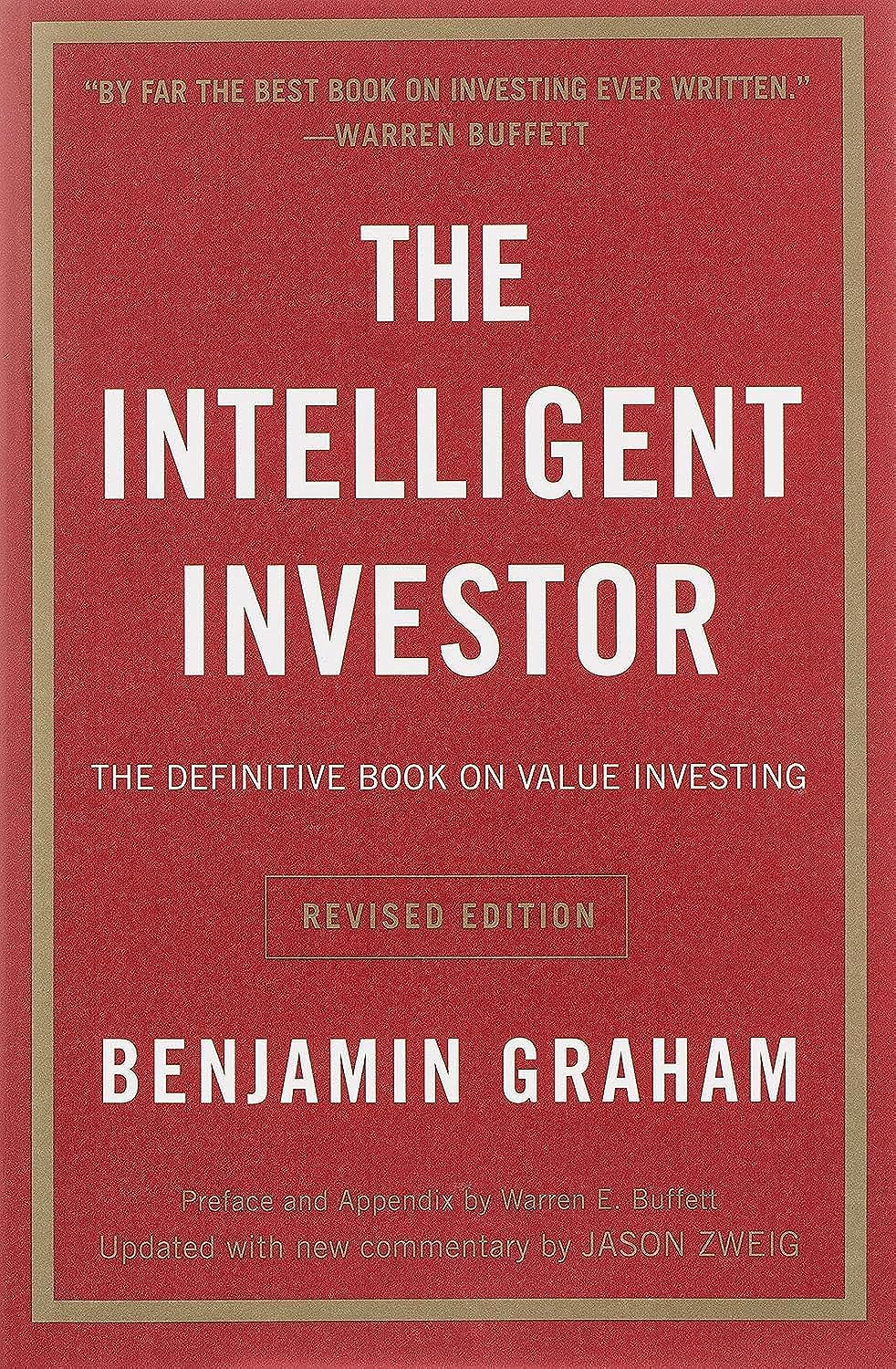
For a foundational understanding of where to place capital today, review our guide on where to invest money in the current market cycle.
The Core-Satellite Strategy
This strategy minimizes costs while allowing for alpha generation:
- The Core (70-80%): Passive, low-cost index funds or ETFs that track major markets. This ensures you capture the market’s long-term growth with minimal fees.
- The Satellite (20-30%): Active investments designed to outperform the market. This includes individual stocks, sector-specific bets, or high-yield bonds.
Asset Location: It’s Not Just What You Buy
Where you hold your assets matters as much as what you hold. Asset Location involves placing tax-inefficient assets (like high-yield bonds or REITs) in tax-advantaged accounts (IRAs/401ks), while holding tax-efficient assets (like municipal bonds or broad stock ETFs) in taxable brokerage accounts. This simple structural change can increase after-tax returns by over 1% annually.

Morgan Housel’s masterpiece isn’t about spreadsheets; it’s about the behavioral side of wealth. Understanding your own biases is the single most important factor in preserving wealth over generations.
View on AmazonPillar 2: Tax-Efficiency & Harvesting
It is not what you make; it is what you keep. Taxes are the largest expense for most wealthy individuals. Strategic tax planning is year-round, not just something you do in April.
Tax-Loss Harvesting
This involves selling securities that have experienced a loss to offset taxes on both gains and income. The sold asset is then replaced with a similar (but not “substantially identical”) asset to maintain the portfolio’s allocation. In down market years, this strategy creates a “tax asset” that can be carried forward to offset future gains.
Roth Conversions
For those expecting higher tax rates in the future (or for their heirs), converting traditional IRA funds to a Roth IRA can be powerful. While you pay taxes on the conversion now, all future growth and withdrawals are tax-free. This is particularly effective during “low income” years or market downturns when the tax hit is lower.
Charitable Remainder Trusts (CRTs): If you have highly appreciated assets (like stock or real estate), selling them triggers a massive capital gains tax. By placing them in a CRT, you can sell the asset tax-free, receive an income stream for life, and leave the remainder to charity, receiving a significant immediate tax deduction.
Pillar 3: Estate Planning & Trusts
Wealth management extends beyond your lifetime. Without a robust estate plan, up to 40% of your wealth could be lost to estate taxes or legal battles. For a comprehensive look at long-term planning, see our retirement strategy guide.
The Revocable Living Trust
Unlike a will, a living trust avoids probate—the public, costly, and time-consuming court process of distributing assets. It provides privacy and ensures immediate access to funds for your beneficiaries.
Dynasty Trusts
For generational wealth, a Dynasty Trust is designed to last forever (in states that allow it). Assets inside the trust are protected from creditors, divorce settlements of beneficiaries, and estate taxes at each generational transfer. It allows you to control how your wealth empowers (rather than entitles) future generations.
Pillar 4: Private Equity & Alternatives
Public markets (stocks/bonds) are efficient, meaning it’s hard to find an “edge.” Private markets are inefficient, offering higher potential returns for those willing to lock up capital.
Private Credit
As traditional banks pull back from lending, private credit funds have stepped in. These funds lend directly to companies and offer yields significantly higher than public bonds, often with floating rates that protect against inflation.
Real Estate Syndications
Rather than being a landlord, wealthy investors often act as “Limited Partners” in large commercial deals. Whether it’s multifamily apartments or industrial warehouses, these syndications offer passive cash flow and tax benefits via depreciation. Explore more in our deep dive on real estate investing.
| Asset Class | Liquidity | Target Return | Role in Portfolio |
|---|---|---|---|
| Private Equity | Very Low (5-10 yrs) | 12% – 20% | High Growth / Alpha |
| Private Credit | Low (1-3 yrs) | 8% – 12% | Income / Yield |
| Hedge Funds | Medium (Quarterly) | Variable | Uncorrelated Returns |
Pillar 5: Risk Management & Hedging
Preservation requires defense. It is not enough to diversify; you must hedge against “tail risks”—rare, catastrophic events.
The Role of Gold and Commodities
In a digitized world, hard assets act as an insurance policy against monetary debasement. Allocating 5-10% of a portfolio to gold or diversified commodities reduces overall volatility. See our 2026 investments outlook for more on commodity supercycles.
Umbrella Insurance
Wealth makes you a target for lawsuits. Standard auto and home insurance policies have liability limits that are often insufficient for HNWIs. An Umbrella Policy provides an additional layer of liability protection ($1M – $5M+) for a relatively low annual premium, shielding your investment assets from legal judgments.

Modern wealth management includes digital assets. If you hold crypto as part of your diversified portfolio, self-custody is non-negotiable. The Ledger Nano X ensures your digital wealth is immune to exchange failures.
View on AmazonExpert FAQs
While often used interchangeably, a Financial Advisor typically focuses on investment management (stocks/bonds). A Wealth Manager takes a holistic approach, coordinating taxes, estate planning, insurance, and charitable giving, usually for clients with $2M+ in investable assets.
Traditionally, Private Equity required minimums of $250k-$1M. However, new “intermittent liquidity” funds and platforms have lowered minimums to $25k-$50k for Accredited Investors.
Yes. A Will only goes into effect after you die and must go through probate, which is public and costly. A Trust is effective immediately (handling incapacity during your life) and avoids probate entirely, keeping your financial affairs private.
The 4% rule suggests you can withdraw 4% of your portfolio annually in retirement without running out of money. In today’s lower-yield environment, many wealth managers suggest a more conservative 3% to 3.5% withdrawal rate, or a dynamic spending strategy based on market performance.